
Interviewing guests on your podcast is one of those skills that looks simple until you actually try to do it well. Most hosts assume the solution is better prep, harder research, or a longer list of plug-and-play questions. But the mark of a good conversation is in the listening.
 Podcast Wizard
You Don’t Own Social Media, and This Changes Everything
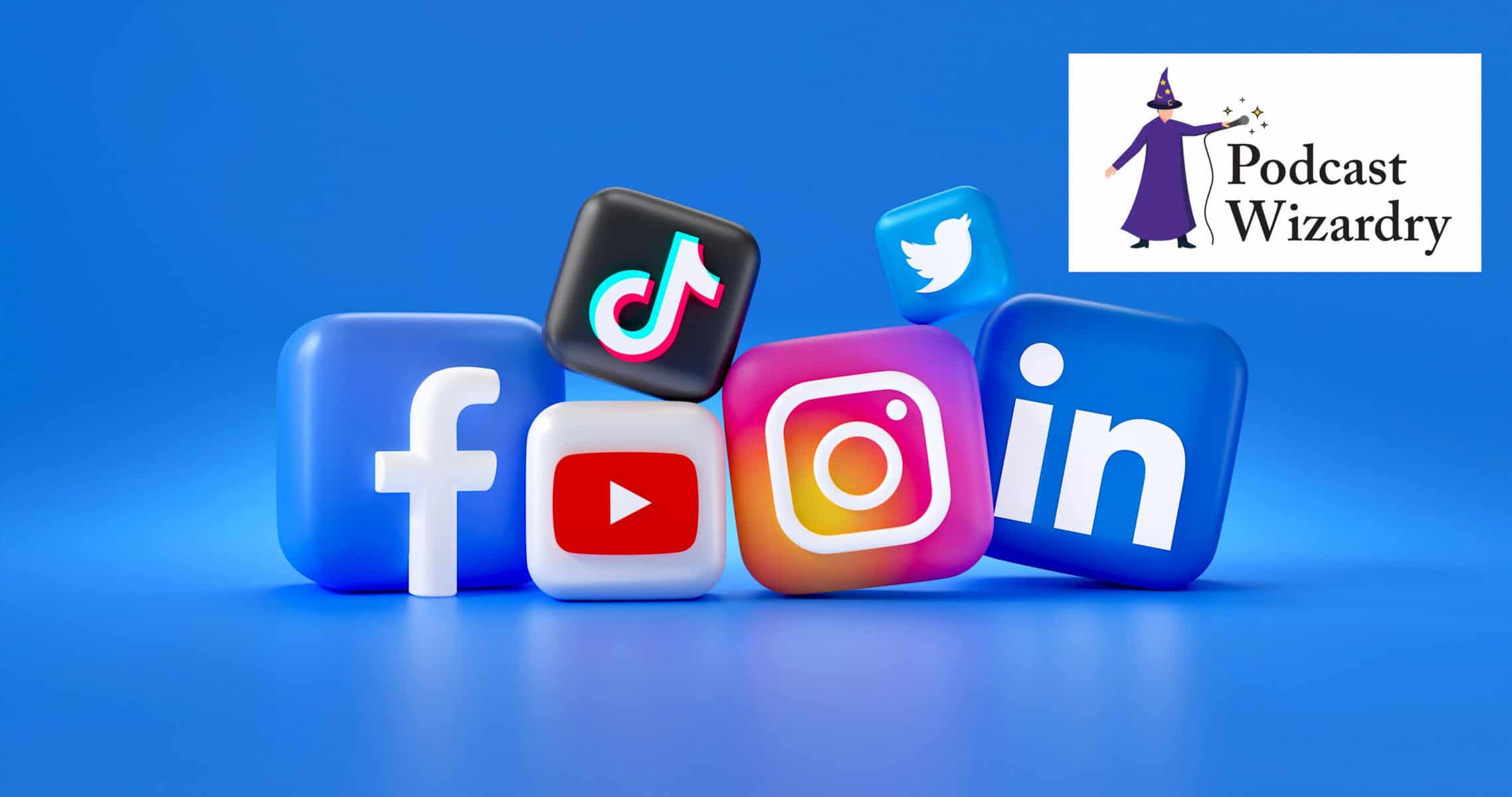
Every few years, creators have to relearn the same lesson the hard way: social media is rented space. You don’t own social media. You don’t control it. And you are never more than one decision away from losing access to it entirely.
Why Most Podcasts Burn Out (And How to Build One That Doesn’t)
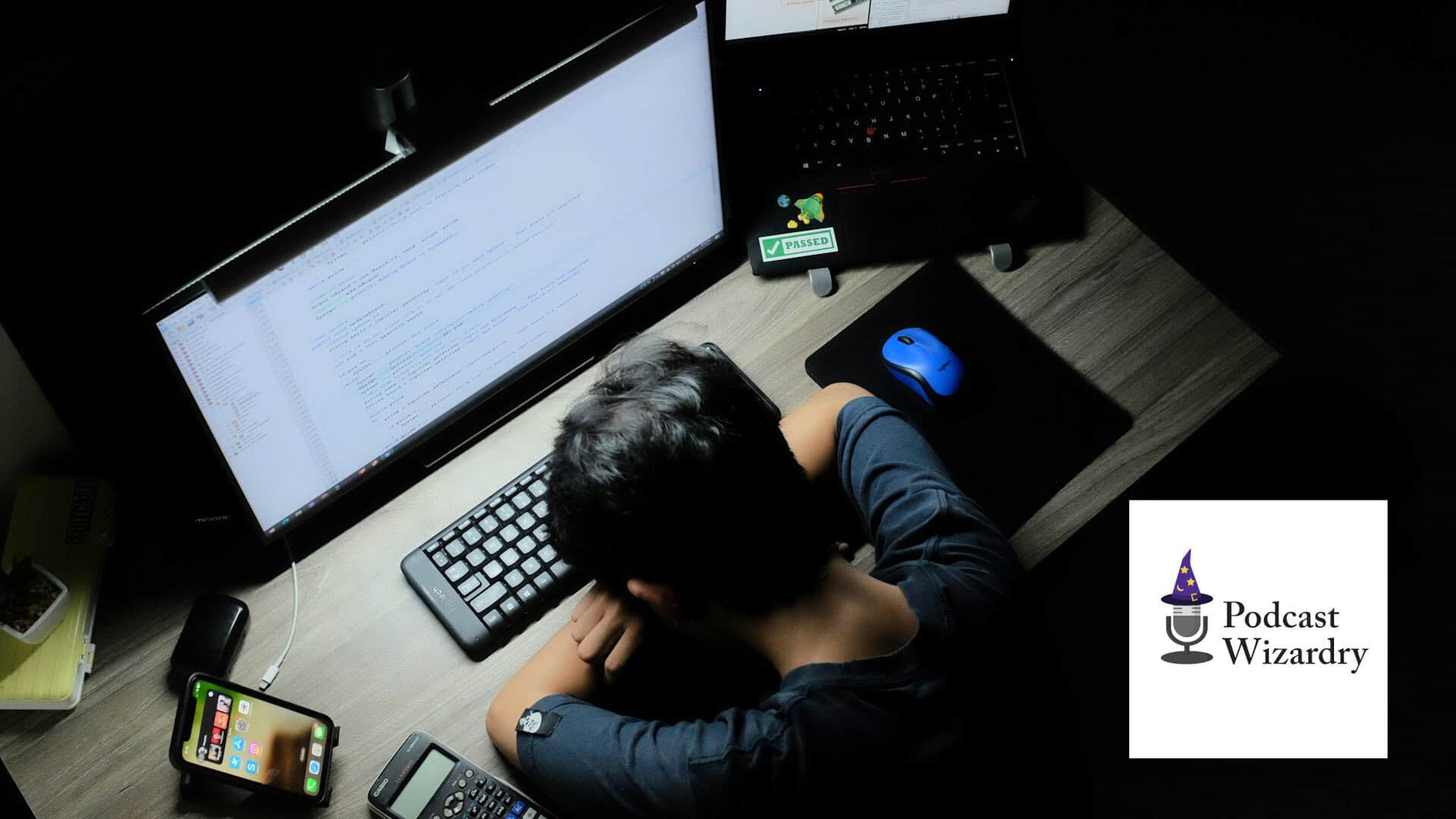
Podcast burnout is usually framed as a motivation problem. Creators are told they didn’t want it badly enough, weren’t disciplined enough, or lost their drive. That story is convenient. That story is wrong.
How Podcasters Can Fight Authoritarianism
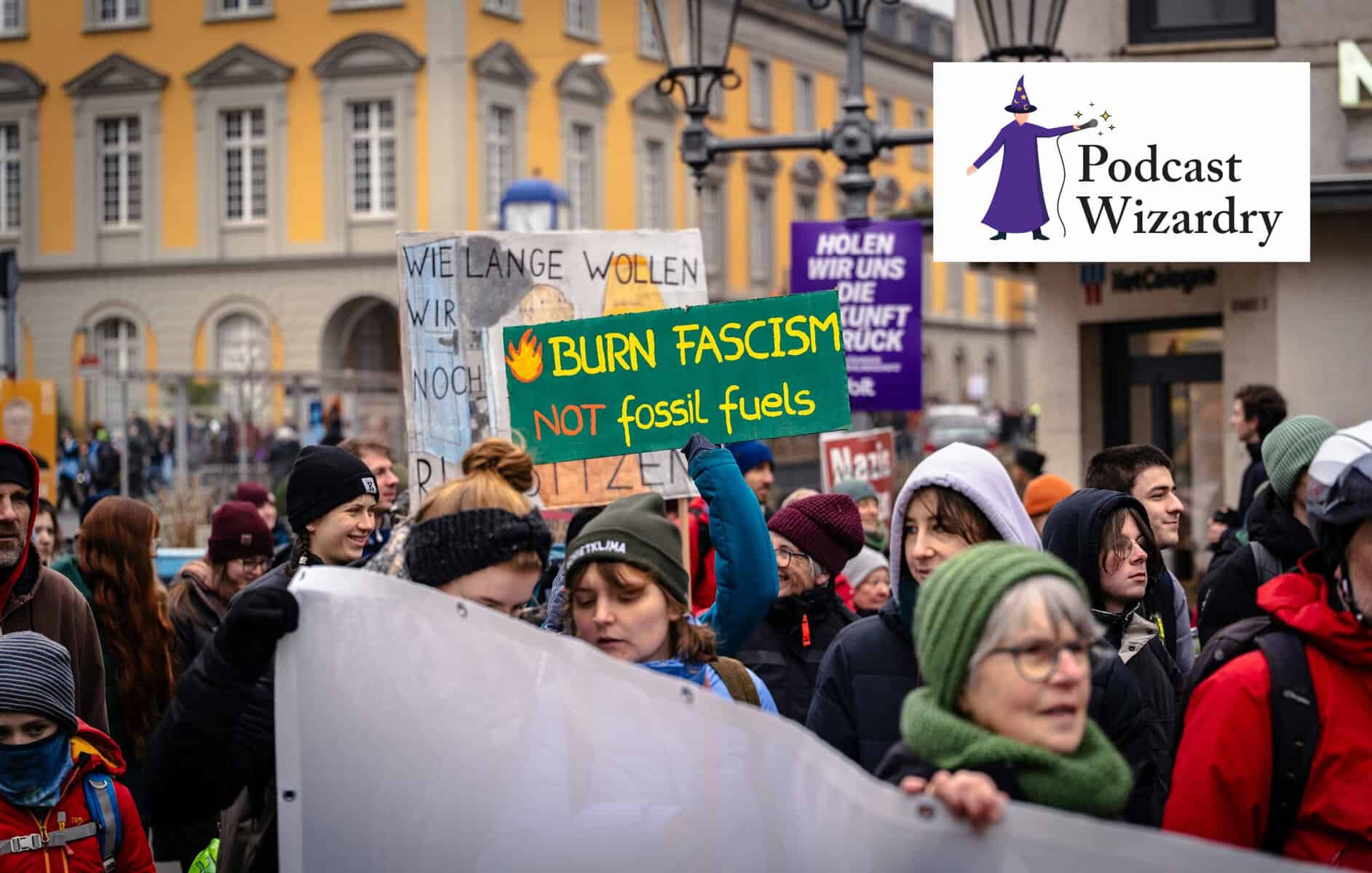
Authoritarianism doesn’t arrive with a single speech or a uniform. It creeps in through repetition, exhaustion, and the steady erosion of shared reality. It thrives when people stop trusting institutions, stop trusting each other, and stop believing their participation matters. Fight authoritarianism.
You’re Asking the Wrong Question
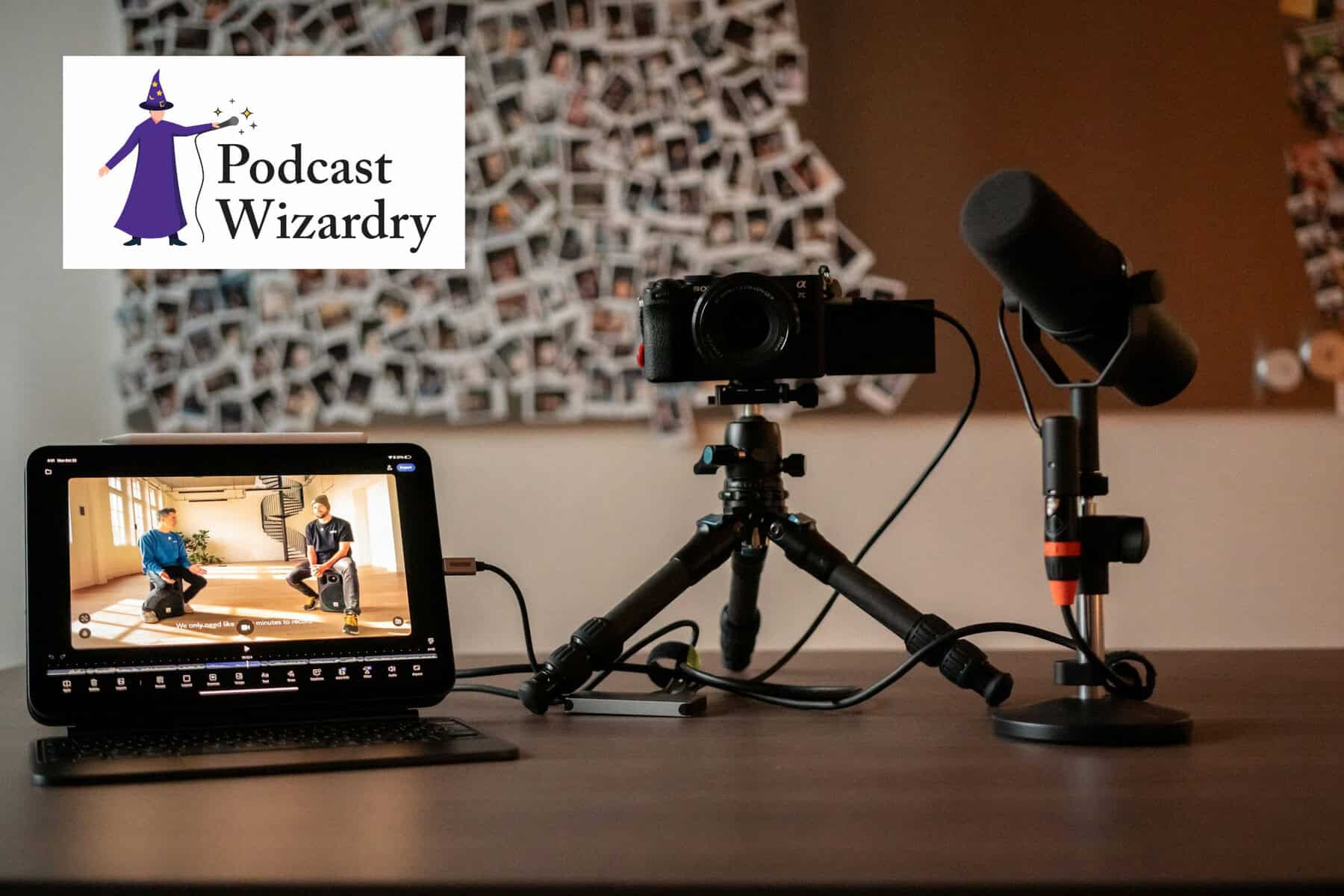
“Should I add video to my podcast?” It’s one of the most common questions in podcasting right now, and it’s the wrong one.
You Don’t Have a Podcast Problem. You Have a Positioning Problem.
January is when podcasters misdiagnose themselves. Downloads plateau, motivation wobbles, and the conclusion arrives: I need to do more. More episodes. More clips. More guests. More promotion. More tools. But most stalled podcasts don’t suffer from a production problem or a marketing problem. They suffer from a positioning problem, and no amount of activity fixes that. If your show feels like it’s working hard without going anywhere, this is likely why.
The Podcaster’s Grimoire

What Actually Worked in 2025, and the Spells to Cast in 2026
In the spirit of being a Wizard, “The Podcaster’s Grimoire” is the book you close the year with. This is not a recap. You should do a binding.
Every year ends the same way: dashboards glowing, feeds slowing, creators staring at numbers like tea leaves, trying to divine meaning.
This isn’t that.
The AI Features Race Is Burning Trust
A lot of AI features shipping today do not work well enough to justify their existence, let alone their marketing. Everyone understands that new technology takes time. The AI Features Race Is Burning Trust because of the widening gap between what these tools promise and what they reliably deliver, especially when those tools come from funded, established companies rather than weekend hackers. Somewhere along the way, “experimental” stopped being a warning label and became a business strategy.
Choosing the Right Audio Interface: A Podcaster’s Guide to Better Sound
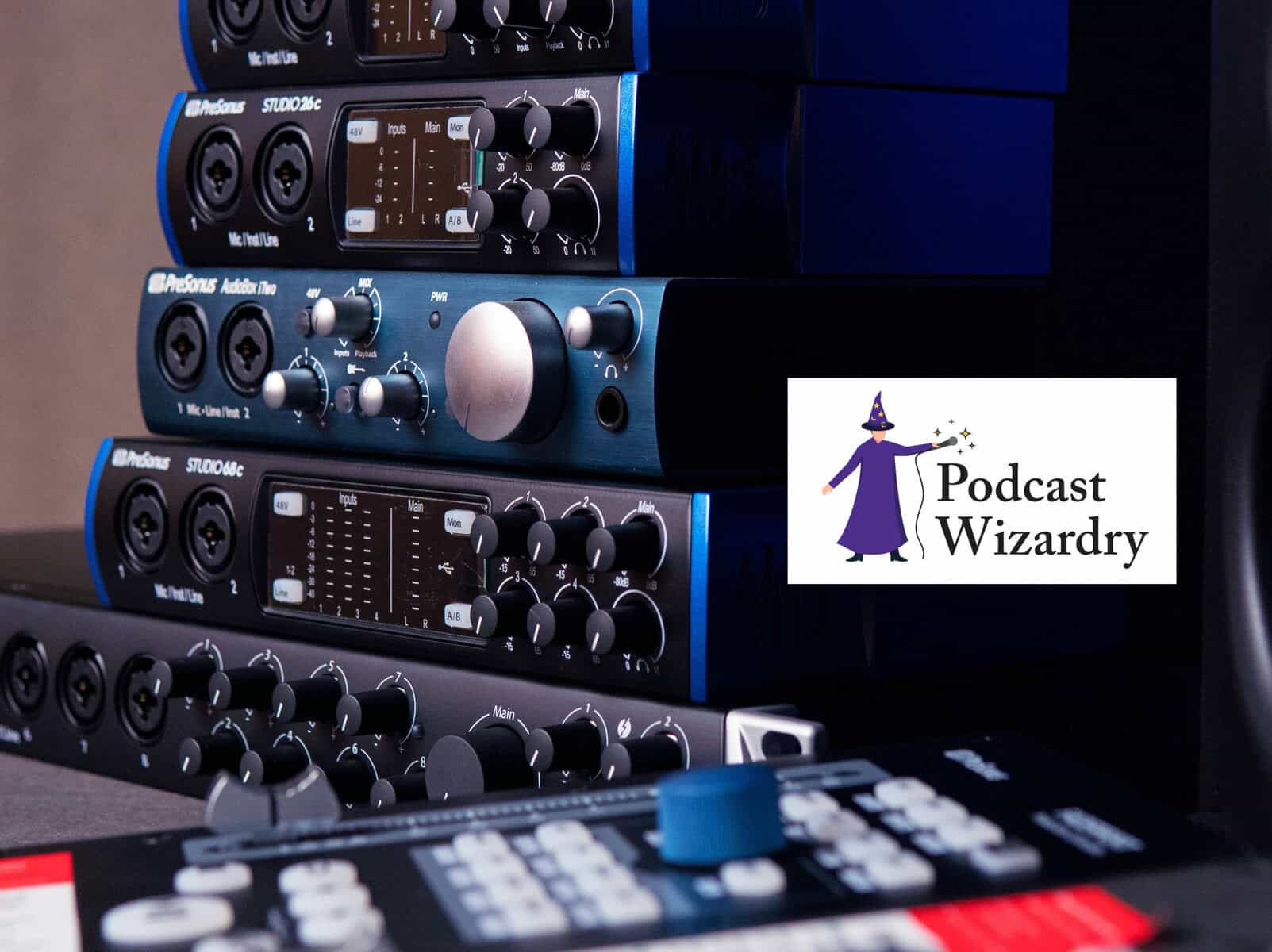
If you’re ready to step beyond USB microphones and build a more flexible, professional podcasting setup, choosing the right audio interface is your next essential endeavor. For many new and growing podcasters, it’s the single biggest upgrade to overall sound quality, workflow, and long-term production capability. But what exactly does an audio interface do? And how do you choose the right one? Let’s break it down.
Microphone Choices for New Podcasters
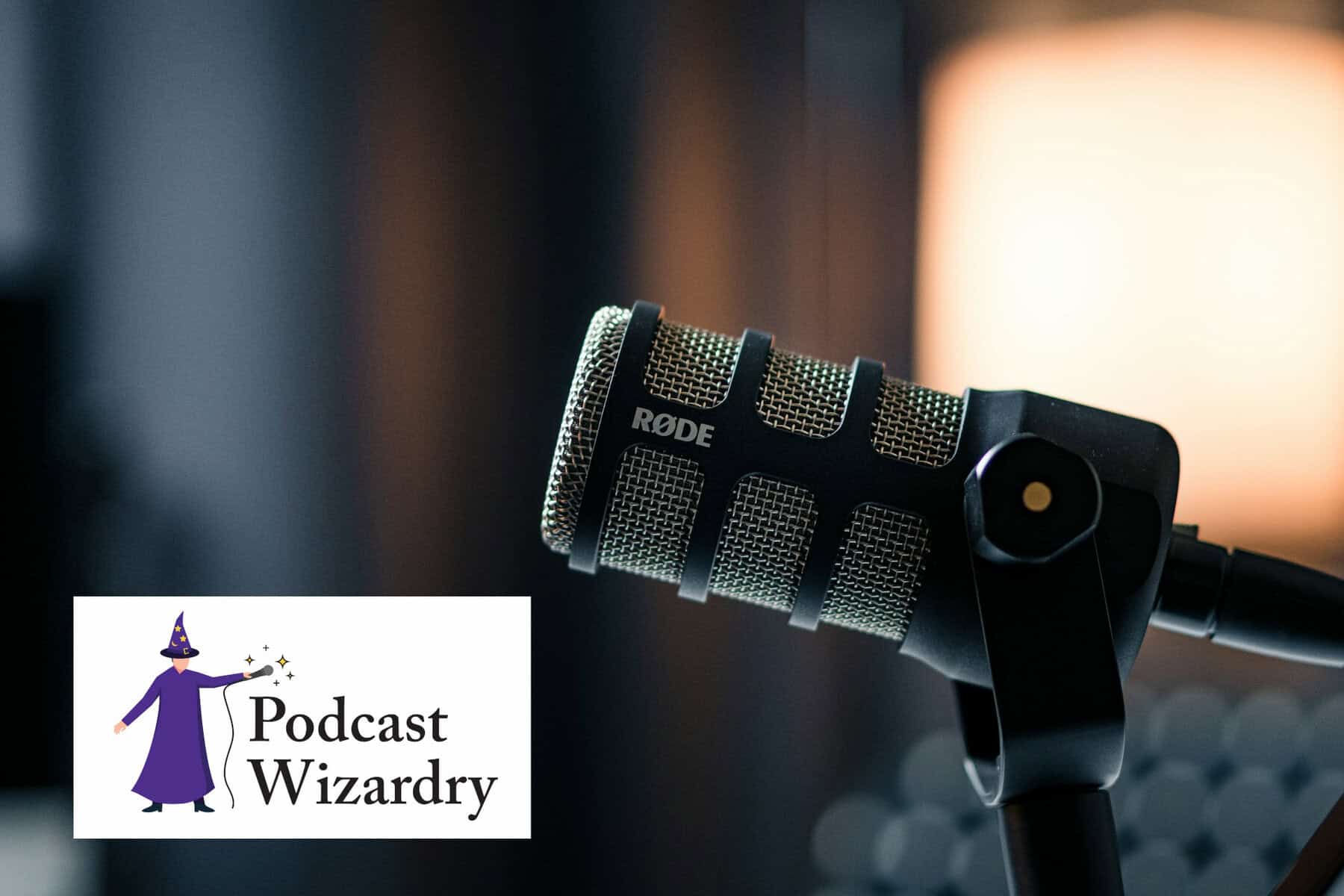
One of my earliest blogs was this unhelpful entry on microphone choices. I thought now would be a good time to revisit this topic, as microphones are obviously an ubiquitous concern for podcasters, especially to those who are new to the world of podcasting. Picking the right microphone early doesn’t just save you money; it helps your podcast sound good enough to keep listeners. Here’s how to choose, along with some solid microphone choices to get you started today.