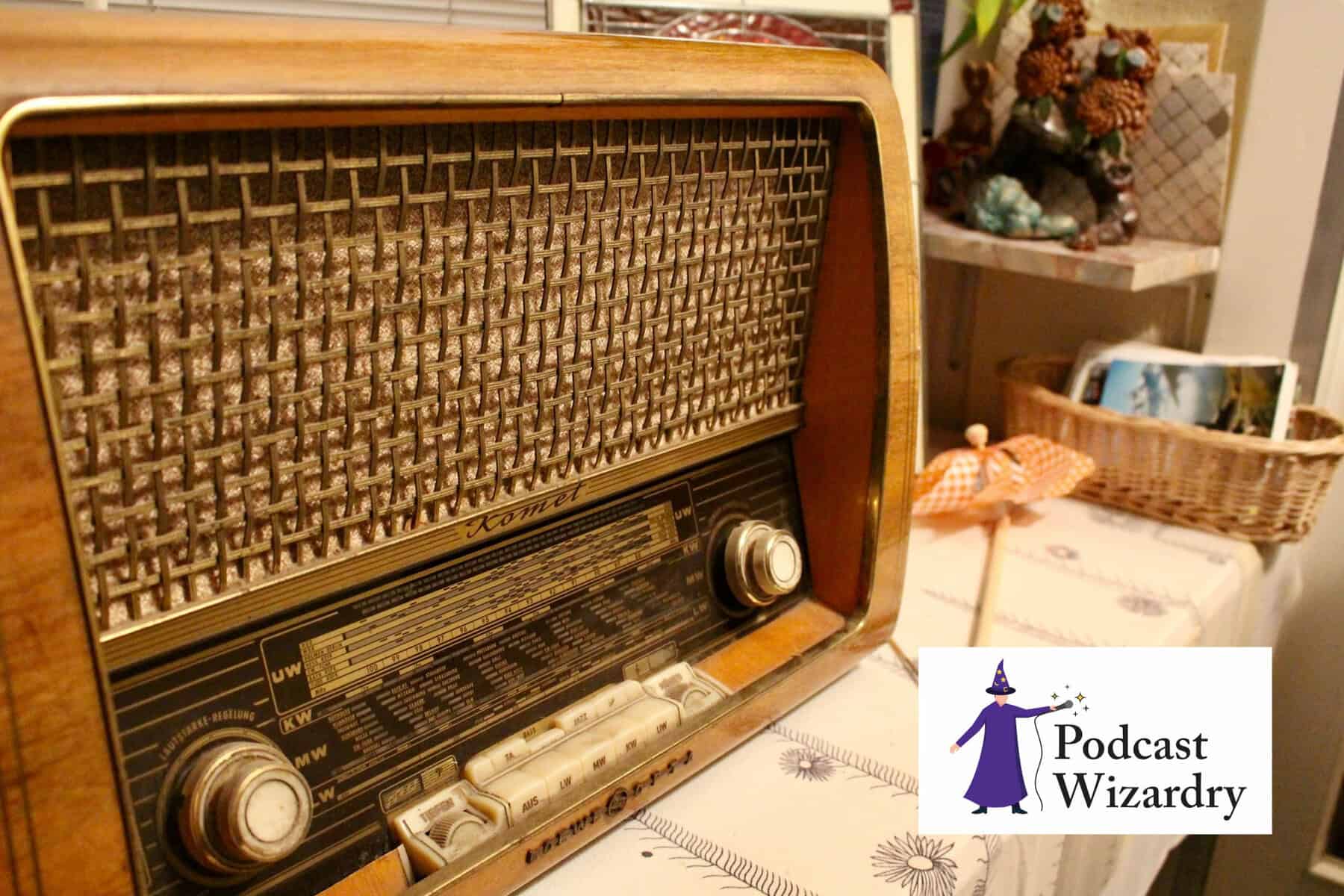
Long before “subscribe and follow” became the mantra of modern podcasting, radio producers were already masters of the craft. From the smoky studios of the BBC to the bustling newsrooms of NPR, radio broadcasters built empires on one simple principle: connection.
Podcasting might be the new frontier, but many of its best practices are old-school at heart. Here’s what today’s podcasters can still learn from the golden age of radio, and why those lessons matter more than ever in 2025.
Story First, Sound Second
In radio’s heyday, there were no fancy soundboards or AI-assisted tools. What mattered most was storytelling. Every great radio segment began with the listener in mind–not the host, not the sponsor, but the person tuning in on the other end of the signal.
Shows like BBC Radio 4’s Desert Island Discs or NPR’s This American Life still prove that principle today. Their power lies in narrative pacing, character, and emotion. Even with minimal production, they make listeners feel.
Lesson for podcasters: Before tweaking EQ levels or buying new gear, ask yourself: is this story worth listening to? Production quality enhances a podcast; story keeps it alive.
The Power of Voice and Silence
Old-school radio announcers treated their voices as instruments. They mastered tone, timing, and even silence. That quiet pause before a crucial line? It wasn’t dead air, it was anticipation.
As legendary broadcaster Edward R. Murrow once said, “To be persuasive, we must be believable; to be believable, we must be credible; to be credible, we must be truthful.” In the podcasting world, the same rule applies. Listeners crave authenticity. Your voice should carry sincerity, warmth, and rhythm, not just information.
Pro tip: Practice your pacing. Record yourself reading and listen for moments where a pause could make a sentence land harder. Silence, when used well, is as powerful as sound.
Invest in Sound Design, Not Just Sound Quality
Classic broadcasters didn’t just record voices, they built worlds. BBC dramas layered footsteps, weather, and background hums to create texture and realism. NPR’s audio engineers famously record “room tone” before every interview: the sound of nothing, which helps blend edits seamlessly. Today’s podcasters can capture that same immersive experience. Tools like Auphonic and Descript simplify production, while portable recorders such as the Zoom H5 Handy Recorder make collecting field sounds easier than ever.
Lesson for podcasters: Great audio isn’t just clear, it’s cinematic. Think of your soundscape as part of your storytelling toolkit.
The Interview Is an Art Form
NPR hosts like Terry Gross of Fresh Air have spent decades refining one skill above all: listening. (I recently wrote a blog about this: The Art of Listening: How Great Ears Make Great Podcasts.) The best interviews feel like conversations, not interrogations.
Classic radio producers taught that preparation is only half the battle, the rest happens in real time, when you actually hear your guest. A well-timed follow-up question often yields more truth than a rehearsed one.
Pro tip: Ditch your script occasionally. Listen. Respond. Let curiosity drive your next question. That’s when the magic happens.
Consistency Builds Trust
Radio built trust through consistency. You knew when to tune in, who you’d hear, and what to expect. That reliability kept audiences loyal for decades. Modern podcasters have more flexibility, but the principle still holds. Whether it’s weekly, biweekly, or seasonal, your publishing schedule creates a rhythm your listeners can rely on.
As the BBC’s motto reminds us: Nation Shall Speak Peace Unto Nation. In podcasting terms, that translates to: Show up, speak clearly, and mean it.
Lessons from Radio
Radio wasn’t just a medium, it was a discipline. It taught us patience, craft, and respect for the audience’s imagination. As podcasting continues to grow, it’s easy to chase trends or algorithms. But the essence of good audio storytelling hasn’t changed in a hundred years: clarity, authenticity, rhythm, and care.
So the next time you sit at your mic, remember: you’re not just making a podcast. You’re joining a century-long tradition of storytellers who knew how to make the invisible feel real. And that’s the true magic of sound.
Contact The Podcast Wizard
Need a little more guidance? That’s what Podcast Wizardry is here for. Drop us a DM on our LinkedIn page. We’re happy to help you make the most of your production.