
We wrote recently about the art of the follow-up question, how the best interviewers are not the ones with the best prepared questions, but the ones who listen carefully enough to know what to ask next. That piece assumed a certain baseline: that the host is present, engaged, and able to think on their feet.
 Podcast Wizard
The Co-Host Problem Nobody Talks About
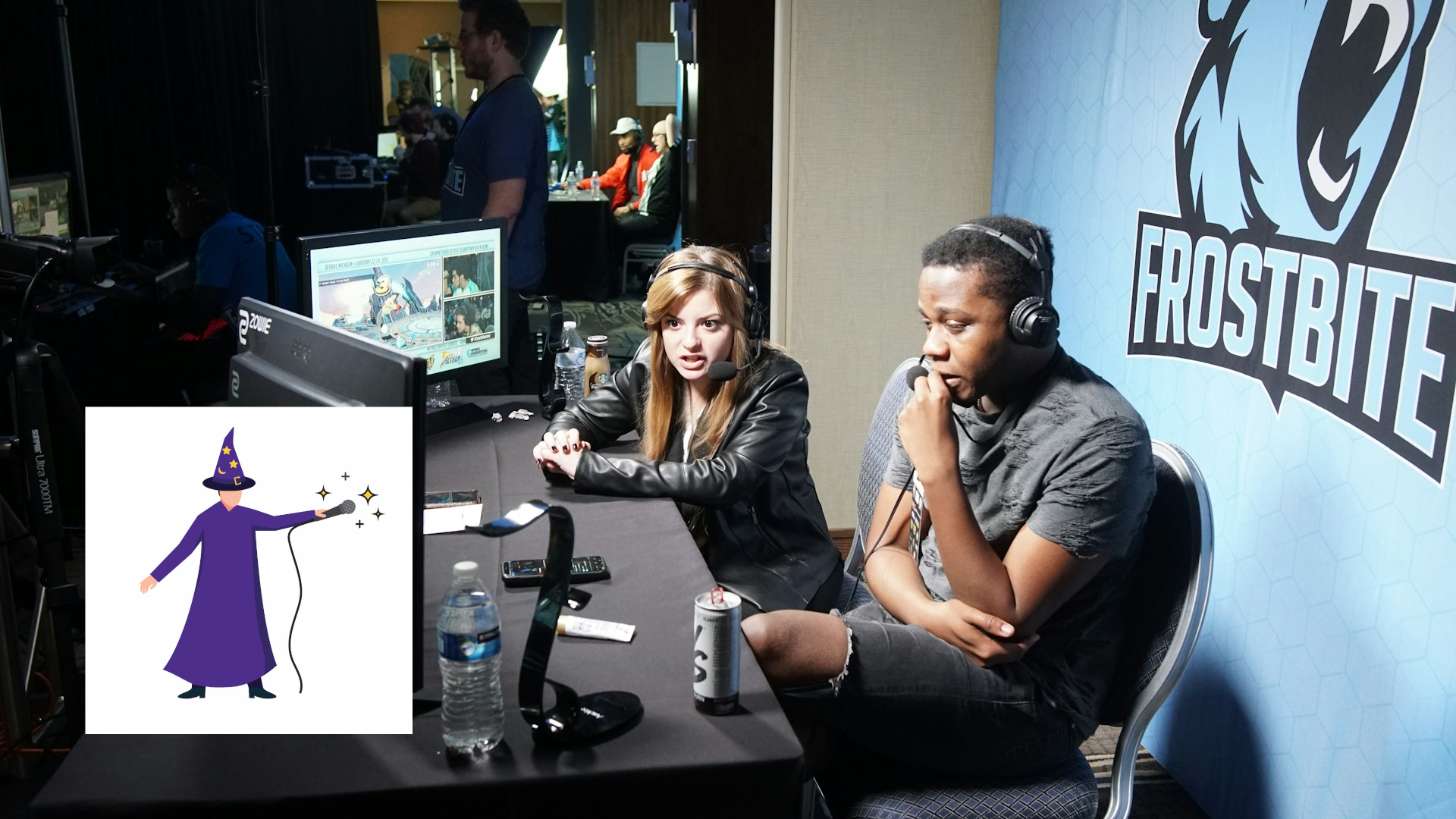
Most podcasting advice assumes you are either flying solo or working with a co-host who is fully on board, equally invested, and easy to work with. The reality is messier. Co-host relationships drift. Energy levels diverge. Life circumstances change. And the podcasting partnership that felt effortless in year one can become quietly complicated by year two, without either person saying a word about it.
So You Want to Add Video to Your Podcast: The How-To
Last week we made the case that video podcasting is not right for every show, and that the industry pressure to add video is being driven largely by platforms and tools with a financial interest in your adoption. If you read that piece and your honest answer to the four questions at the end was mostly encouraging, this post is for you.
So You Want to Add Video to Your Podcast
It seems everyone is adding video to their podcast right now. YouTube is the number one platform for podcast discovery. Clips are driving listeners. The algorithm rewards video. The data is clear. The pressure is real.
And a lot of podcasters are about to make a significant mistake.
The Remote Recording Setup Guide
Remote recording has become the default for most podcasts. Co-hosts in different cities, guests who can’t travel, producers working across time zones, the logistics of getting everyone in the same room rarely make sense anymore. What does make sense is building a remote recording setup that gives your editor clean, separate tracks, reliable sync, and as few surprises as possible.
The Remote Recording Setup Guide is what you need to know before you hit Record.
38 Ways to Promote Your Podcast Without Being Annoying About It

The internet does not need another list of podcast promotion tips that starts with “post on social media” and ends with “be consistent.” You already know that. What you may not have is a clear, organized picture of all the levers available to you, and a realistic sense of which ones are worth pulling first. Here’s 38 ways to promote your podcast without being annoying about it.
The One-Person Shop: A Practical Guide for the Solo Podcast Producer
Last week we laid out the full scope of what a podcast producer really does: the research, the guest management, the editorial calendar, the audio work, the distribution pipeline, the strategic analysis. It’s a lot. And if you read that piece and thought “I do all of that myself,” this one is for you. The Solo Podcast Producer.
What a Podcast Producer Really Does
Ask most podcasters what a Podcast Producer really does and you’ll get some version of the same answer: they edit the audio. Maybe they handle the show notes. Perhaps they schedule guests and manage the RSS feed. These are reasonable answers, but these are also roughly only twenty percent of the actual job.
How to Tell a Guest You’re Not Publishing Their Episode

Last week we walked through the framework for deciding whether to pull the plug on a recorded episode: when to salvage, when to spike, and how to know the difference. If you haven’t read that piece, it’s worth starting there.
When to Scrub an Episode
Every podcaster eventually records an episode they can’t publish. Spiking a bad recording is sometimes an act of editorial judgment. Here’s a practical framework for deciding whether to salvage a flawed episode or when to scrub an episode, and how to handle the conversation with your guest when you do.