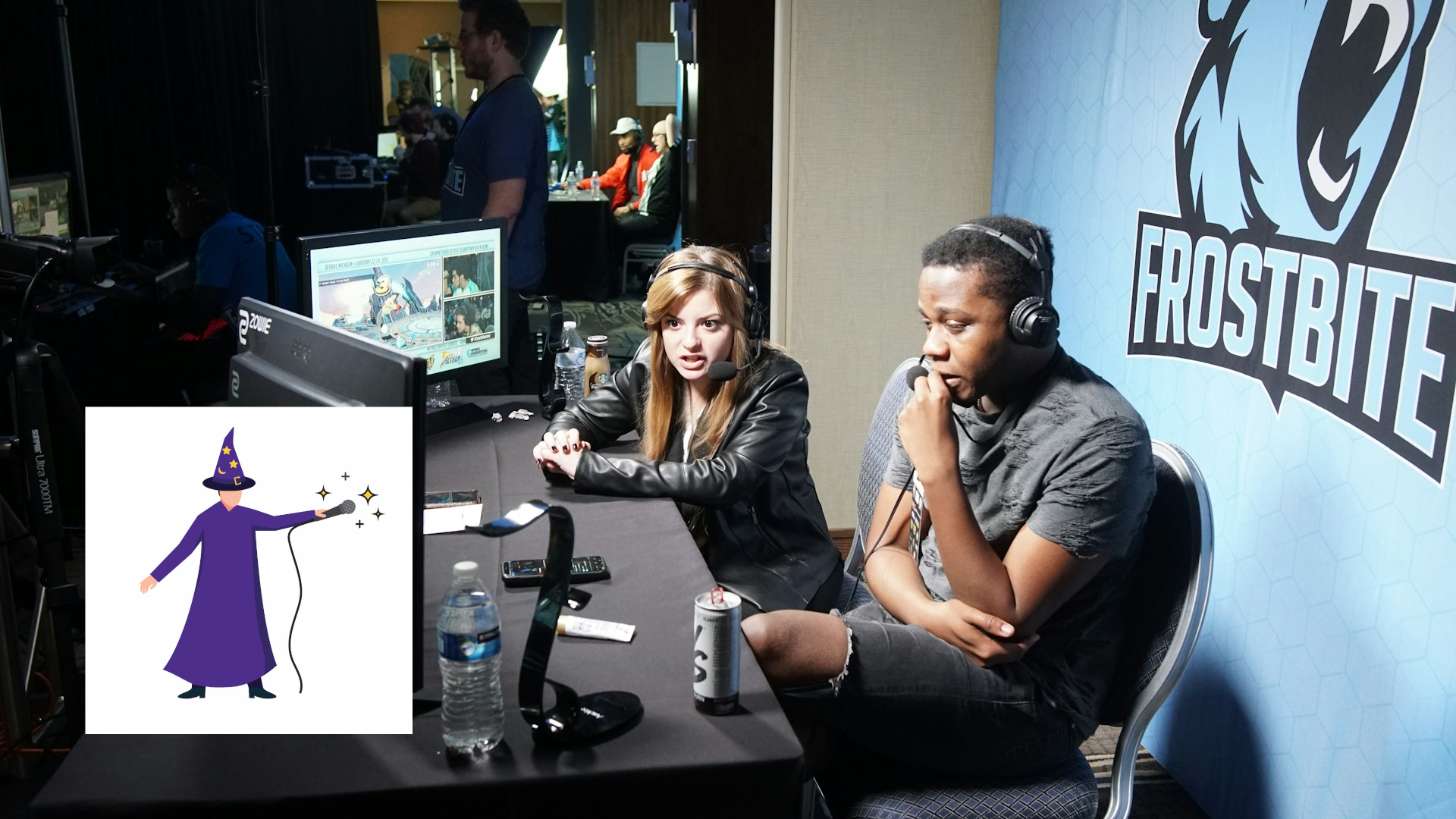
Most podcasting advice assumes you are either flying solo or working with a co-host who is fully on board, equally invested, and easy to work with. The reality is messier. Co-host relationships drift. Energy levels diverge. Life circumstances change. And the podcasting partnership that felt effortless in year one can become quietly complicated by year two, without either person saying a word about it.
The Co-Host Problem Nobody Talks About is one of the most common problems in podcasting and one of the least discussed. Partly because it is uncomfortable. Partly because the signs are subtle enough that it is easy to dismiss them as a temporary rough patch. And partly because nobody has a clear script for what to do when the partnership stops working the way it used to.
This blog post is an attempt to give you one.
Recognizing the Signs
The co-host problem rarely announces itself. It arrives gradually, in patterns that are easy to rationalize away. One co-host consistently comes to recording sessions less prepared than the other. Questions are shallower. Energy is lower. The pre-recording conversation that used to happen naturally stops happening. One person is carrying more of the research, more of the guest outreach, more of the editorial thinking, and they are starting to feel it.
The dynamic on the recording itself shifts. One voice dominates more. The other defers more. Conversations that used to feel like genuine exchanges start to feel like interviews, with one person leading and the other reacting. Listeners may not notice immediately, but they eventually do.
Off-mic communication becomes harder. Decisions that used to get made quickly and collaboratively now take longer, involve more friction, or simply stop getting made because neither person wants to have the conversation. Scheduling becomes difficult. Deadlines start slipping.
If several of these patterns sound familiar, you are probably not experiencing a rough patch. You are experiencing a structural problem, and the longer it goes unaddressed, the harder it becomes to fix.
Having the Conversation
The single most important thing you can do when a co-host relationship starts showing these signs is to have a direct conversation about it, sooner rather than later, and outside the context of a recording session.
This conversation does not have to be confrontational. In fact, it should not be. The goal is not to assign blame or relitigate every episode where something felt off. The goal is to get an honest picture of where both people are, what they want from the partnership going forward, and whether those things are compatible.
Some questions worth bringing into that conversation: Is this still working for you? What part of the show are you most and least energized by right now? Has anything changed in your life or schedule that’s affecting how much you can contribute? What would need to be different for this to feel sustainable?
These questions are harder to ask than they sound. They require a degree of vulnerability that feels risky in a professional partnership. But they are almost always more productive than the alternative, which is continuing to record episodes while the resentment quietly builds on one side and the disengagement quietly deepens on the other.
What the Options Actually Look Like
Once you have had the conversation, you have a clearer picture of what you are actually dealing with, and the options available to you are more varied than most co-hosts realize.
The partnership can be restructured. If one co-host is overwhelmed, a clearer division of responsibilities (who handles guest research, who manages scheduling, who leads editorial planning) can reduce friction and restore balance. Roles that were assumed rather than agreed upon are a common source of resentment in podcast partnerships, and making them explicit often helps.
The format can change. If the show’s current format is not working for both co-hosts, changing it is not a failure. A show that started as a weekly two-host conversation might work better as a biweekly show, or as a format where one host takes the lead and the other contributes in a more defined supporting role.
The partnership can be paused. A defined break, a season off, a guest host series, a hiatus with a clear return date, gives both people space to reassess without making a permanent decision under pressure.
The partnership can end. This is the hardest option and sometimes the right one. A show that continues with a co-host who is no longer invested is not a show at its best. It is a show that is declining slowly and publicly. Ending the partnership cleanly, with honesty and mutual respect, is better for the show, better for the audience, and usually better for the relationship than letting it deteriorate further.
The Co-Host Problem Nobody Talks About
Co-host relationships are professional partnerships, but they rarely feel purely professional. There is real affection, real history, and real shared investment in something both people built together. That makes these conversations harder than they would be in any other work context.
But leaving the conversation unspoken does not protect any of that. It just delays the inevitable while making the eventual outcome harder. The co-hosts who navigate this well are the ones who treat the partnership with enough respect to be honest about it, even when honesty is uncomfortable.
If something has quietly stopped working, naming it is not a threat to the show. It is the first step toward figuring out whether and how it can work again.
Contact The Podcast Wizard
Need a little more guidance? That’s what Podcast Wizardry is here for. Send me a DM on the Podcast Wizardry LinkedIn page (fastest) or via my Contact Us page. I’m happy to help you make the most of your production.