One of my earliest blogs was this unhelpful entry on microphone choices. I thought now would be a good time to revisit this topic, as microphones are obviously an ubiquitous concern for podcasters, especially to those who are new to the world of podcasting. Picking the right microphone early doesn’t just save you money; it helps your podcast sound good enough to keep listeners. Here’s how to choose, along with some solid microphone choices to get you started today.
Why Your Mic Matters, Especially Early On
Audio is everything in podcasting. When your mic captures clean, clear sound, your listener leans in. When it’s muddy, distant, or scratchy, they tune out. As a startup podcaster, you don’t need pro-studio gear. You need a mic that:
- Consistently picks up your voice clearly
- Reduces room noise and echo, even in untreated spaces
- Is easy to set up and forgiving of mistakes
- Offers a straight path to upgrade if you grow
That means you’re usually choosing between dynamic mics, or condenser mics.
Dynamic vs Condenser
Dynamic and condenser microphones differ mainly in how they capture sound, and understanding this difference helps new podcasters choose the right tool for their recording environment. Dynamic microphones are built to handle loud voices and mitigate background noise, making them ideal for untreated rooms, busy homes, or spaces where echo is an issue. Dynamic mics are durable, forgiving, and naturally focus on what’s close to the mic.
Condenser microphones, on the other hand, are more sensitive and detailed. They capture a brighter, clearer vocal tone but also pick up more room noise, making them best suited for quiet, well-treated recording spaces. Both are excellent options. What matters most is matching the mic to the space and style of your podcast, and to the professionalism of the speaker.
Great First Mics for New Shows
Here are a small selection of microphones that balance quality, ease, and budget. Any one of these would be suitable for a new podcaster. Each is clickable via Amazon so you can get rolling fast.
Audio-Technica ATR2100x-USB: Great All-Around Starter
USB or XLR output, warm vocals, and surprisingly resistant to background noise. Use it plugged straight into your laptop now, or upgrade later with an audio interface. Great for solo shows, interviews, or any early podcasting setup.
Samson Q2U: Budget-Friendly and Reliable
Very similar concept to the ATR2100x but often available at a slightly lower price. It’s a rugged dynamic mic that handles less-than-ideal rooms well. This mic is ideal for hobbyist podcasters or first-time hosts trying things out.
Shure SM58: Broadcast-Proven Workhorse
A studio classic, expected to last decades. It requires an XLR interface, but its cardioid pattern, build quality, and balanced tone make it a long-term investment if you’re serious about podcasting as a craft.
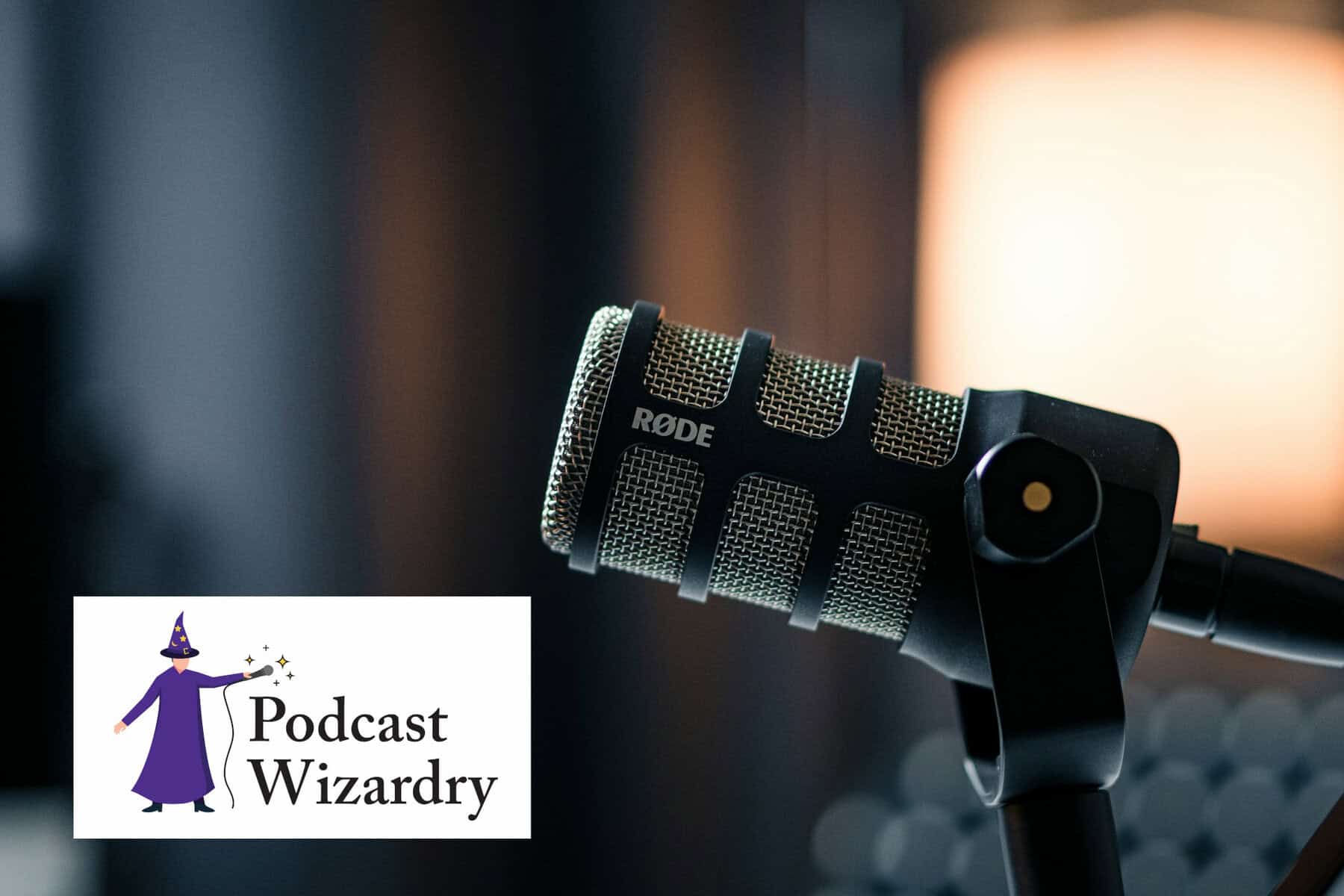
Rode PodMic: Solid for Interview & Voice Podcasts
Made with podcasting in mind: focused voice capture, sturdy build, and consistent tone. Works best with a mixer or audio interface but delivers a professional-level voice presence that many beginners skip out on, and later regret.
Blue Yeti USB Microphone: No-Fuss Plug-and-Play
For absolute simplicity: plug it into your computer, hit record, and go. It’s more sensitive (so watch room noise), but for solo shows, casual chats, or first draft episodes, the Blue Yeti is hard to beat for this much convenience.
What to Think About Before You Buy
1. Room Acoustics
If you’re recording in an untreated room with hard surfaces, dynamic mics (ATR2100x, Q2U, SM58, PodMic) generally handle noise and echo better. A USB condenser like the Yeti works best in quieter, softer spaces (carpet, curtains, fewer hard surfaces).
2. Connection Type: USB vs. XLR
XLR and USB microphones differ in how they connect to your recording setup, and each option serves a different type of podcaster. USB mics plug directly into your computer and are perfect for beginners because they’re simple, affordable, and require no extra gear. Just connect and record.
XLR mics, on the other hand, use a three-pin cable and require an audio interface or mixer, but they offer higher sound quality, more control, and easier upgrades as your production grows. If you want plug-and-play convenience, choose USB; if you want a long-term, professional-grade setup you can expand over time, XLR is the way to go.
3. Long-Term Goals
If this is just a fun side-project, go USB. If you plan on growing: multiple guests, editing, perhaps monetization down the road, consider an XLR mic now to save you the hassle of a forced upgrade later.
What No Mic Can Replace
Your mic is just one part of the sound equation. Don’t expect great results if you:
- Record in a loud, echoey room
- Speak too quietly or too far from the mic
- Multiply echo/noise by wearing Bluetooth earbuds (Pro tip: NEVER USE bluetooth earbuds for podcasting. Neither for you and not for your guest.)
At a minimum: Take a few minutes to find the quietest spot, plug in a good pair of headphones, and sit with your mouth about six-ish inches from the mic. That discipline will benefit you more than upgrading to a “pro-level” mic too early. (I’ve known podcasters to do their recording inside a walk-in closet and I’ve heard of one who records from underneath a blanket. No joke.)
Microphone Choices
Your first mic doesn’t need to be expensive, but it needs to fit your purpose. Any of the mics above can produce podcast-worthy audio if you record properly. Start simple. Record a few episodes. Focus on clarity, consistency, and content. And when you’re ready to level up, you’ll already know exactly what you want from your mic. Podcasting doesn’t begin with premium gear; it begins when you can say, “I’m here. I’m listening.”
Contact The Podcast Wizard
Need a little more guidance? That’s what Podcast Wizardry is here for. Drop us a DM on our LinkedIn page. We’re happy to help you make the most of your production.
Disclosure: The links in this blog are Amazon affiliate links. You help support Podcast Wizardry when you buy through them, at no extra cost to you.
Comments are closed.