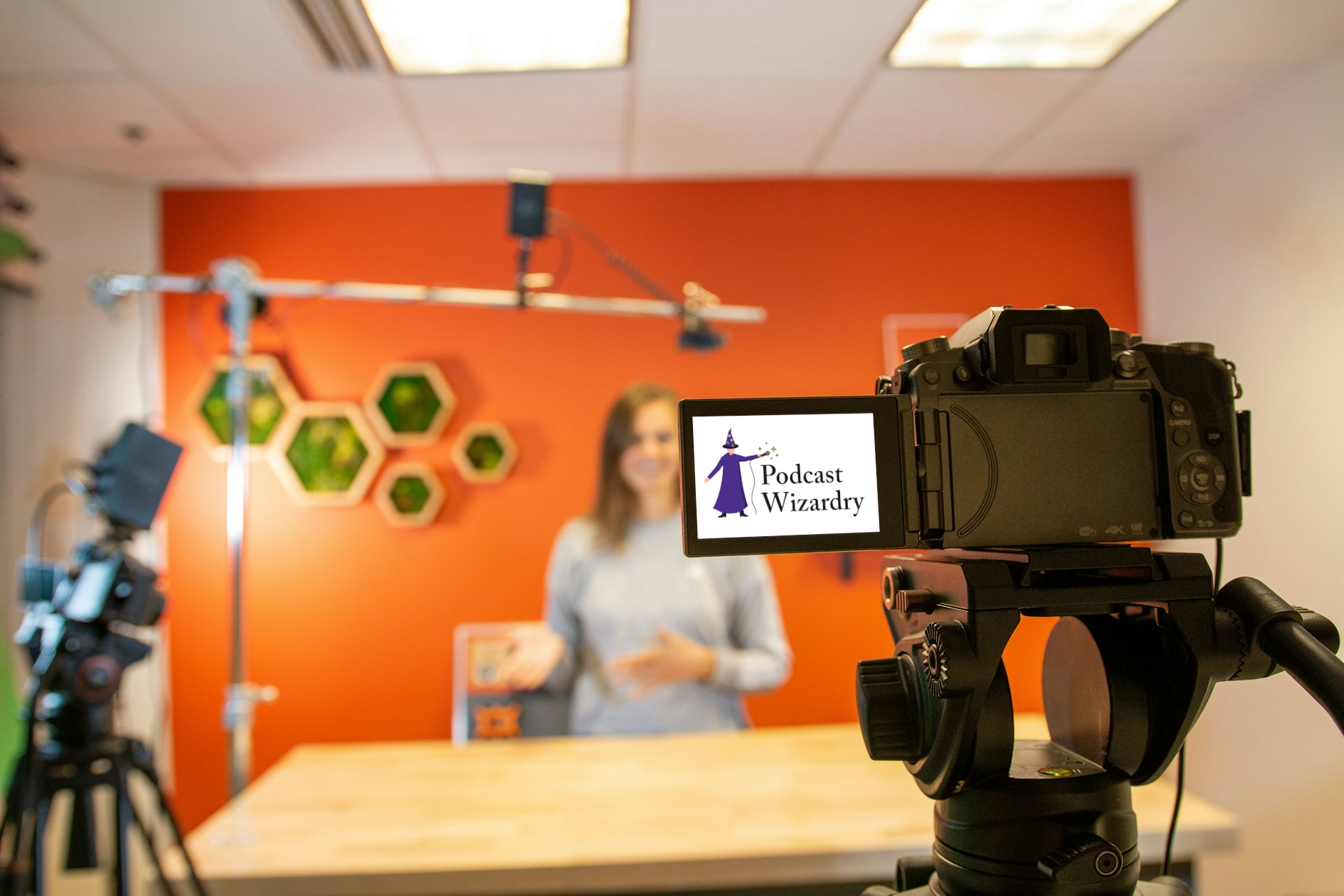
It seems everyone is adding video to their podcast right now. YouTube is the number one platform for podcast discovery. Clips are driving listeners. The algorithm rewards video. The data is clear. The pressure is real.
And a lot of podcasters are about to make a significant mistake.
Not because video is wrong for podcasting. It isn’t. For some shows, adding video is a genuinely smart move that expands reach, deepens audience connection, and opens monetization options that audio alone cannot access. But the conversation around video podcasting has become so breathlessly promotional, driven largely by platforms and tools that profit from your adoption, that the actual costs, complications, and honest questions about fit have been buried under a pile of growth statistics.
This post is an attempt to unbury them.
Myth 1: If You’re Not Doing Video, You’re Falling Behind
The data that gets cited most often in this conversation is that YouTube is now the leading platform for podcast discovery, with a significant and growing share of listeners finding new shows there. This is true. What is less often mentioned is that the shows benefiting most from YouTube’s podcast push are not the average independent podcast. They are shows with established audiences, strong visual personalities, and the production resources to make video worth watching.
YouTube rewards watch time. A talking-head video of two people having a moderately interesting conversation does not generate the kind of watch time that YouTube’s algorithm rewards. What does generate it is high production value, strong on-camera presence, dynamic editing, and, most importantly, content that is genuinely compelling to watch rather than just listen to. Most podcasts are not built around that. Most podcasts are built around audio, which is a fundamentally different medium.
Being on YouTube because you feel you should be on YouTube, without the content or production quality to compete there, does not put you ahead. It puts you in a very crowded room where nobody can hear you.
Myth 2: Adding Video Is Just Pressing Record on a Camera
This is where the real cost of video becomes clear, and where most “just add video” advice falls apart.
A podcast that decides to add video is not adding a feature. It is adding an entirely separate production discipline. Consider what recording video actually requires: a camera capable of producing watchable footage, appropriate lighting for every recording environment, a background that reflects the show’s brand and does not distract the viewer, on-camera presence from every host and guest, and a production workflow that accounts for the fact that video files are significantly larger and more complex to edit than audio files.
Then consider what happens in post-production. Audio editing and video editing are different skill sets. Video editing is more time-consuming. The tools are different. The file management is more complex. Exporting and uploading video is slower. Creating clips for social media from a video podcast requires additional editing passes. If you are a solo producer already stretched thin, adding video to your workflow is not a minor adjustment. It is a substantial increase in time, cost, and complexity.
None of this is insurmountable. But it is real, and most of the advice being given to podcasters about adding video glosses over it almost entirely.
Myth 3: Your Audience Wants to Watch You
Some audiences do. Many do not.
The assumption that existing podcast listeners want a video version of their favorite show is not universally supported by behavior. Podcast listeners choose the medium deliberately. They listen in the car, on walks, at the gym, while cooking. These are not video-watching contexts. Adding video does not automatically convert audio listeners into video viewers. It creates a parallel audience that may or may not materialize, while adding significant production overhead regardless.
There are shows where video genuinely enhances the content: interview shows where the chemistry between host and guest is part of the value, educational shows where visuals add meaningful context, personality-driven shows where seeing the host’s face deepens the connection. If your show is one of these, video is worth serious consideration.
If your show is primarily informational, narrative, or heavily produced audio (if the value is in the writing, the structure, the sound design, the storytelling) adding video may dilute what makes it good rather than amplify it. Some of the best podcasts in the world have no video presence at all, and their listeners are not asking for one.
Myth 4: A Static Image on YouTube Counts as Video Podcasting
It does not. It counts as distributing your audio on YouTube, which is a legitimate and worthwhile thing to do for discoverability. But it is not video podcasting, and it does not produce the algorithm benefits that actual video content generates on the platform.
If you are uploading a static image over your audio to YouTube, keep doing it. It is a low-effort way to be present on the platform and capture search traffic. But do not mistake it for a video strategy, and do not expect it to generate the kind of growth that video advocates are promising. The results will be modest, and that is fine as long as your expectations are calibrated accordingly.
So Should You Add Video?
Ask yourself four questions before you decide.
- Does your content have genuine visual value? Meaning, would watching it add something meaningful that listening does not provide? If the honest answer is no, video is unlikely to serve your audience better than audio already does.
- Do you have the time, tools, and skills to produce video at a quality your audience would find watchable? Shaky footage, bad lighting, and cluttered backgrounds do not just fail to attract new viewers, they actively undermine the credibility you have built with existing listeners.
- Is your existing audience asking for video, or is the pressure coming primarily from industry discourse? These are different signals and they deserve different responses.
- Can you sustain a video production workflow long term, or are you likely to add it with enthusiasm and abandon it within three months when the workload becomes clear? A YouTube channel with twelve videos and no recent uploads sends a worse signal than no YouTube channel at all.
If your answers to most of these questions are encouraging, next week’s post walks through exactly how to add video to your podcast without destroying your production workflow or your sanity. If your answers are mostly not yet or not really, the wisest thing you can do is stay focused on making your audio exceptional and revisit video when the conditions are genuinely right.
Not every show needs video. The ones that do will know it because the case makes itself. Not because the industry told them they had no choice.
Contact The Podcast Wizard
Need a little more guidance? That’s what Podcast Wizardry is here for. Send me a DM on the Podcast Wizardry LinkedIn page (fastest) or via my Contact Us page. I’m happy to help you make the most of your production.