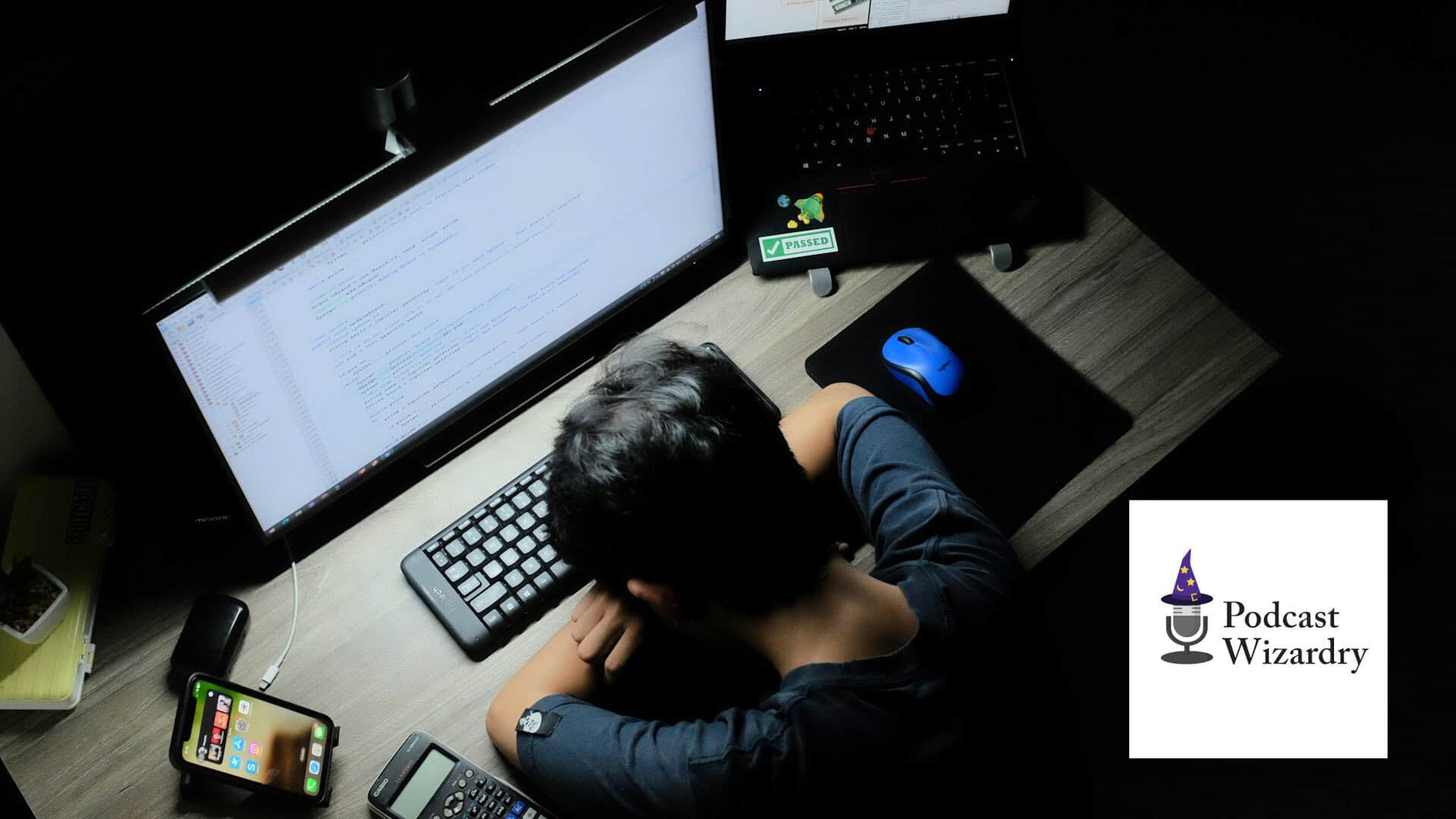
Podcast burnout is usually framed as a motivation problem. Creators are told they didn’t want it badly enough, weren’t disciplined enough, or lost their drive. That story is convenient. That story is wrong.
Most podcasts don’t burn out because their hosts are lazy or inconsistent. They burn out because they were designed to fail. Grind culture didn’t just exhaust podcasters; it taught them to build shows that demand more than they can reasonably give.
Burnout Is a Design Failure
Look closely at most abandoned podcasts and you’ll see the same pattern: an unsustainable system held together by adrenaline and guilt.
- Weekly episodes because “that’s what serious podcasters do.”
- Overproduced audio and video before there’s an audience to justify it.
- Relentless promotion layered on top of full-time jobs and real lives.
None of that reflects commitment. It reflects copying a model without questioning whether it fits. Burnout isn’t a personal flaw. It’s what happens when effort outpaces return for too long. No amount of mindset work fixes a system that quietly resents its creator.
The Three Mistakes That Kill Most Shows
1. Overproducing too early
Polished intros, multi-camera setups, and aggressive editing before the show has proven it deserves that level of labor. High effort with low feedback is demoralizing, no matter how passionate you start.
2. Choosing cadence for optics, not reality
Weekly publishing sounds impressive. It’s also the fastest way to turn podcasting into a chore if it doesn’t match your energy, schedule, or life constraints. Frequency chosen to impress others rarely lasts.
3. No reward loop
This is the quiet killer. No meaningful feedback. No financial support. No sense of progress. Grind culture tells creators to push through this indefinitely. Most humans can’t, and shouldn’t.
Why “Just Take a Break” Doesn’t Work
The standard advice for burnout is to step away and recharge. That helps temporarily, but it avoids the real issue. When creators return, they return to the same structure. The same expectations. The same pressure. The cycle repeats. Breaks don’t fix broken systems. Redesign does.
Sustainable Podcasts Are Built, Not Hustled
Podcasts that last aren’t fueled by constant intensity. They’re built around friction reduction. That means:
- A cadence you don’t secretly resent
- A format that doesn’t require hero-level effort every episode
- Production choices that scale with actual audience response
Sustainable shows feel almost boring to produce until you realize that boredom is what allows consistency to compound.
Redefine What “Serious” Means
Grind culture equates seriousness with suffering: If you’re not exhausted, you must not be trying hard enough.
But serious creators design for longevity. They assume life will intervene. They leave margin. They build systems that still function on bad weeks, not just good ones. A podcast that survives two years quietly outperforms dozens of ambitious shows that burned bright for six months and disappeared.
The Question That Changes Everything
Instead of asking, “How do I grow faster?” ask this:
“Can I keep doing this exact version of the show for the next two years?”
If the honest answer is no, growth is irrelevant. You don’t have a marketing problem. You have a sustainability problem. Fix that first.
The Quiet Advantage
Sustainable podcasts win because they stay. They build trust slowly. They allow clarity to develop over time. They make room for learning instead of panic. Grind culture wants you to believe exhaustion is the price of relevance. It isn’t. It’s just the cost of copying someone else’s model without adapting it.
Design a podcast you can live with. Longevity is not laziness. It’s strategy.
Contact The Podcast Wizard
Need a little more guidance? That’s what Podcast Wizardry is here for. Drop us a DM on our LinkedIn page. I’m happy to help you make the most of your production.