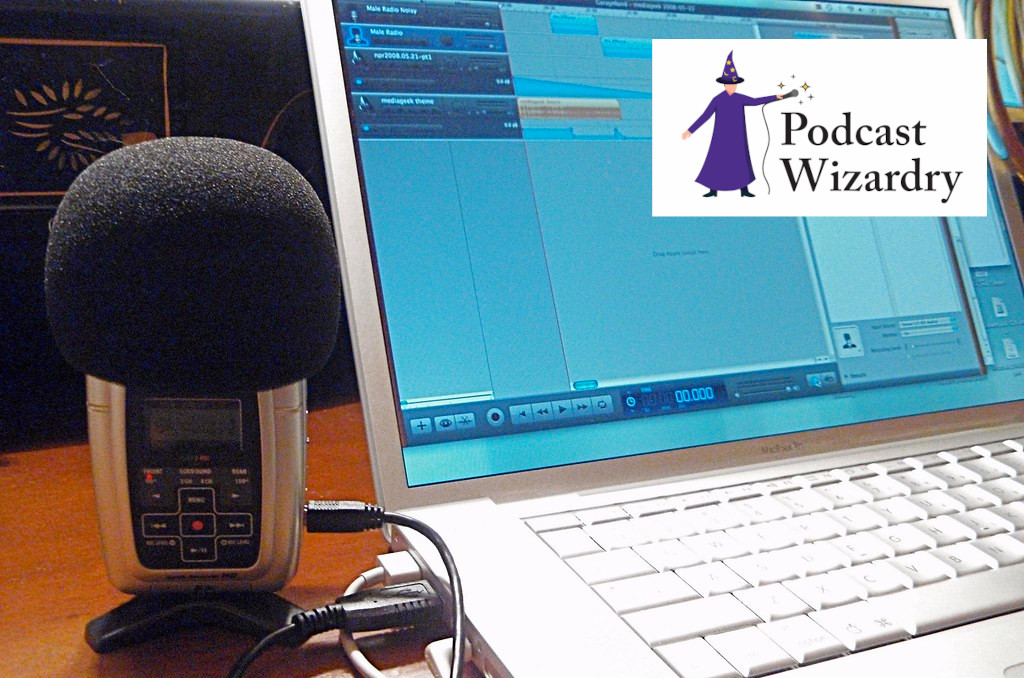
Whether you’re launching a niche show with friends or aiming to build a professional brand, one truth remains: sound quality matters. A great idea will only get you so far if your listeners can’t clearly hear what you’re saying. The good news is, you don’t need to build a full studio from scratch. With just a handful of essential gear, you can elevate your podcast from “amateur” to “pro” in no time.
Here’s my go-to list of essential podcasting gear, along with some recommendations you can check out through Amazon.
Disclosure: This post contains affiliate links. If you purchase through these links, I may earn a small commission at no extra cost to you. This helps keep Podcast Wizardry running and supports future content.
1. A Quality Microphone
The microphone is the single most important tool in your setup. Many beginners try recording with their laptop’s built-in mic, but that usually leads to hollow, echo-filled sound that quickly turns listeners away. Investing in even a modest USB microphone can dramatically improve your audio quality.
- Recommended: Blue Yeti USB Microphone
- Budget-Friendly Option: Audio-Technica ATR2100x-USB
Both are plug-and-play options, meaning you won’t need special equipment to get started. Later, as your show grows, you can upgrade to an XLR mic with a mixer, but these USB models are more than enough for beginners.
2. Comfortable Headphones
Monitoring your own voice while recording might feel strange at first, but it’s an important step. Good headphones let you hear small issues—background hums, mic pops, or inconsistent volume—before they ruin a great episode.
- Recommended: Audio-Technica ATH-M50x
Closed-back headphones like these keep your sound isolated, so you won’t get distracting audio bleed into your mic.
3. Pop Filter or Windscreen
Ever notice those harsh p and t sounds in low-quality podcasts? Those are called “plosives,” and they can be fixed with one of the cheapest investments in podcasting: a pop filter. Definitely essential gear:
- Recommended: Aokeo Professional Microphone Pop Filter
It’s a simple mesh screen that sits between you and the mic, softening the impact of sharp breaths and consonants. It’s one of those small fixes that instantly makes your voice sound smoother.
4. Editing Software
Once your recording is finished, you’ll want to polish it before publishing. The right editing software—often called a Digital Audio Workstation (DAW)—lets you trim awkward silences, balance volume, and add intro/outro music.
- Free Option: Audacity
- Paid Option: Adobe Audition
If you’re just starting out, Audacity is more than capable. As your production skills grow, you might appreciate the advanced features of a paid DAW like Adobe Audition. A caveat: there are many other options available to facilitate editing. Stay tuned for a future blog entry about editing software.
5. Portable Recorder
Not all podcasts are recorded at a desk. If you’re doing interviews on location or traveling to events, a portable recorder is a lifesaver.
- Recommended: Zoom H5 Portable Recorder
It allows you to capture broadcast-quality audio anywhere, without lugging around a full computer setup.
Essential Gear
When you’re starting out, don’t feel pressured to buy the most expensive gear. The truth is, consistent content and clear audio matter more than flashy equipment. Begin with a solid USB mic, a pop filter, and some good headphones. As you gain experience and grow your audience, you can gradually upgrade your setup to suit your needs.
Contact The Podcast Wizard
If you’re not sure which tool fits you best? That’s what Podcast Wizardry is here for. Drop us a DM on our LinkedIn page. We’re happy to help you literally cut the noise.