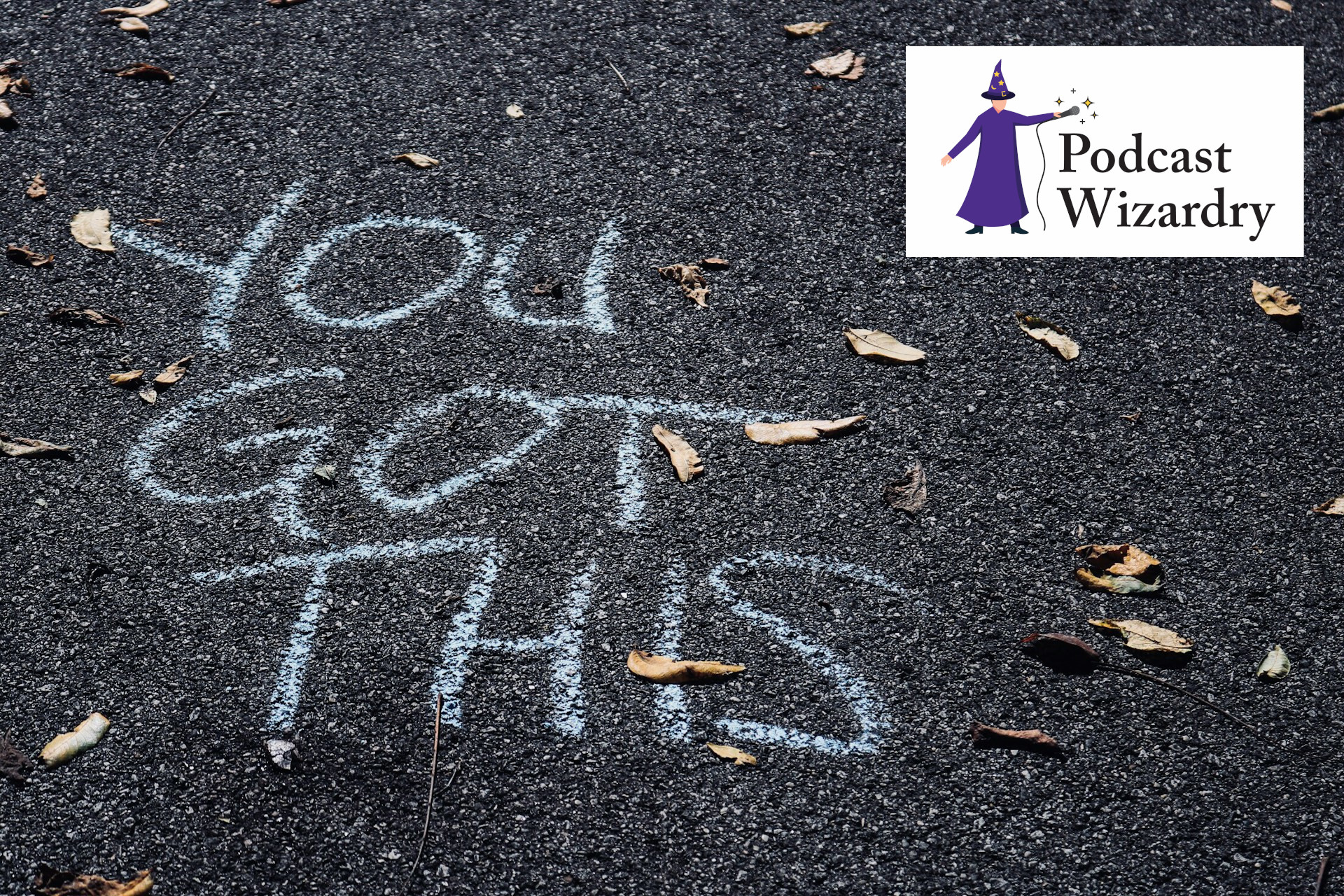
From a Producer’s perspective, I’ve seen firsthand how mental health podcasts have become some of the most engaging and impactful content in the industry. When I sit down to work with hosts, plan episodes, and polish the final mix, I know these conversations aren’t just “content,” they’re often lifelines for people looking for hope, clarity, or simply a reminder that they’re not alone.
The demand for these podcasts has grown steadily over the last few years. People are craving authentic, empathetic discussions around mental well-being, whether it’s about anxiety, depression, burnout, self-care, or relationships. Unlike traditional media, podcasts let listeners hear these topics explored in a more personal, unfiltered way. It’s not a doctor reading a script in a sterile office; it’s a voice in your earbuds telling their story, sharing what’s helped, and making you feel seen.
The Rise of Mental Health Conversations
Historically, mental health was often treated as a taboo topic, something to be whispered about, if discussed at all. The pandemic years shifted that conversation dramatically. Isolation, economic uncertainty, and widespread stress pushed mental health to the forefront of public consciousness.
Podcasts provided a platform for candid, long-form discussion when in-person support was limited. Listeners found comfort in hearing real people talk openly about struggles they recognized in themselves. The format allows for nuance that quick social media posts or headlines can’t match.
According to Edison Research, over 40% of podcast listeners say they tune in to learn more about health and wellness topics. Mental health podcasts fit that appetite perfectly.
Why They Work
I notice a few key reasons mental health podcasts resonate so deeply:
- They’re Accessible
Anyone with a phone and an internet connection can listen. That’s huge for people who might not have easy access to therapy or live in areas with limited mental health resources. - They Feel Personal
Audio is an intimate medium, you’re right there in someone’s head, often during quiet, private moments. That intimacy builds trust and connection. - They Break Stigma
When people openly talk about their own struggles, it normalizes conversations about mental health. It tells listeners, “You’re not broken. You’re human.” - They Offer Practical Tools
Many shows mix storytelling with tangible advice, breathing exercises, journaling prompts, reframing techniques, that listeners can try immediately.
Why Caution Is Warranted
While mental health podcasts can be inspiring, they are not a substitute for professional care. It’s crucial to remember that:
- Hosts may not be licensed clinicians, even if they’ve done extensive personal research or training.
- Unlicensed professionals don’t have to go through training, are not required to adhere to a code of ethics, and are not covered by professional insurance for adhering to professional standards.
- Personal stories are not universal advice, what worked for one person may not work for you.
- Complex conditions require tailored treatment, such as medication management, cognitive behavioral therapy, or other evidence-based approaches that only trained professionals can provide.
Misinformation, though often unintentional, can be harmful. The American Psychological Association warns that mental health content in popular media should be consumed critically, with an eye toward the credentials of the source.
A Producer’s Responsibility
That said, as a producer, I have a responsibility to make sure these podcasts are safe and credible. This is where I need to be crystal clear: while podcasts can offer valuable insights and emotional support, they are not a replacement for professional care.
Whenever we touch on mental health topics, I strongly encourage my hosts to:
- Clearly state that they are not licensed mental health professionals unless they actually are.
- Include a disclaimer reminding listeners to seek advice from qualified professionals for medical or psychological concerns.
- Indicate that a podcast should be used as a supplement, not a substitute for professional, licensed help.
- Provide resources like the 988 Suicide and Crisis Lifeline in the U.S. or Find a Therapist for those looking for help. Internationally, listeners may find resources via Find a Helpline.
Podcasts can inspire and inform, but they shouldn’t replace therapy, medical care, or crisis support. It’s easy for listeners to hear personal stories and feel like they’re getting therapy, but that’s not what’s happening. My job is to protect both the audience and the host by drawing that line.
Why I Think This Popularity Will Continue
The appetite for mental health podcasts isn’t going away anytime soon. In a world that still feels uncertain and overwhelming for many, people want content that’s both relatable and actionable. I predict we’ll see even more niche shows popping up, podcasts specifically about mental health in parenting, workplace burnout, men’s emotional health, or navigating grief. And as technology like AI and interactive platforms grows, producers like me will have more ways to personalize the listener experience while still making sure it’s safe and respectful.
From A Producer’s Perspective
Producing a mental health podcast is rewarding work, but it comes with a special responsibility. The impact these shows can have is real, they can give someone hope during a rough week, spark a conversation that leads to getting professional help, or make someone feel less alone in their struggles. But as a producer, I never lose sight of the fact that these conversations are just one piece of the puzzle.
Contact The Podcast Wizard
As always, don’t hesitate to contact the Podcast Wizard if I can help you with your production endeavors.