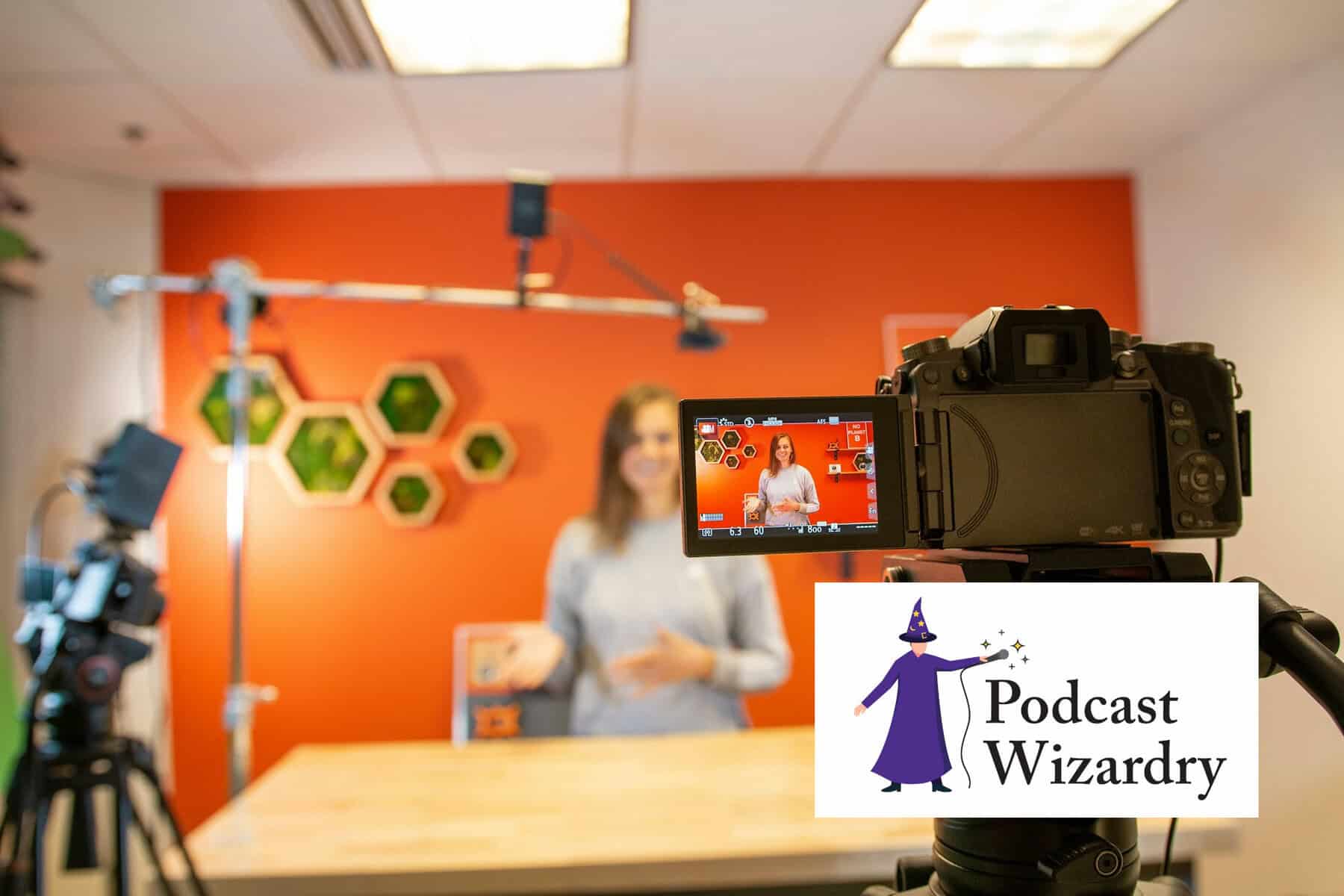
If you spend any time in podcasting circles right now, it can feel like video has already won. Creators are building studio sets. Cameras are everywhere. Social feeds are packed with clips from podcast interviews. Platforms are encouraging creators to upload full video episodes. Even longtime audio podcasters are wondering if they’re falling behind.
The message seems clear: if your podcast isn’t on video, you’re doing it wrong. But that message deserves a closer look. Because while video podcasts are everywhere, that doesn’t mean every podcast needs to become one.
Podcasting Was Built for Audio
The original strength of podcasting is simple: people can listen while doing something else. (Driving to work, walking the dog, working out, etc.) You know this already: Audio fits naturally into moments where screens don’t. That flexibility is one of the biggest reasons podcasting has grown so steadily over the past two decades. Listeners don’t have to carve out dedicated “watching time.” They can simply press play and keep moving through their day.
When creators add video, that dynamic changes. Suddenly the show is competing for screen attention, not just ear time. Sometimes that’s worth it. Often it isn’t.
Why Video Podcasts Are Suddenly Everywhere
The current push toward video is less about listeners and more about platforms. Platforms like YouTube, Spotify, and TikTok prioritize video because it keeps people engaged longer. Video generates more measurable interaction (watch time, likes, comments, shares) which feeds recommendation algorithms.
From a platform’s perspective, encouraging video makes perfect sense. From a creator’s perspective, it’s more complicated. Adding video means more work for the creator by an order of power:
- Cameras
- Lighting
- Set design
- Editing time
- Larger file management
- Different production workflows
For many podcasters, that’s a significant increase in complexity. And the payoff isn’t guaranteed.
The Real Question Podcasters Should Ask
Instead of asking, “Should my podcast have video?”, a better question is: “Does my podcast benefit from being seen?” Some shows absolutely do. Video works well when:
- Visual demonstrations are important
- The host’s personality is a core draw
- Guests bring strong visual presence
- The show leans heavily on reaction and facial expression
- Clips are likely to spread on social platforms
In these cases, video can amplify what the show already does well. But many podcasts don’t depend on visuals at all.
- Narrative storytelling
- News commentary
- Industry analysis
- Educational content
- Deep interviews
These formats often work perfectly in audio because the listener’s imagination fills the space. In fact, adding video can sometimes make the experience feel less intimate, not more.
The Hidden Cost of Chasing Trends
There’s another risk in rushing to adopt video: divided focus.
Many podcasters struggle with consistency. Producing strong episodes regularly is already a challenge. Adding video production can slow that process down dramatically. Suddenly a weekly show becomes biweekly. Editing takes longer. Technical issues multiply. All of that energy is spent on production rather than improving the core content. And in podcasting, content quality is still the most important growth factor.
A compelling show recorded on simple equipment will almost always outperform a mediocre show filmed in a perfect studio.
Audio Isn’t a Limitation
Video podcasts are a powerful format when used intentionally. But audio remains one of the most flexible, accessible, and listener-friendly mediums available. It works during commutes, workouts, chores, and travel; moments where video simply can’t compete.
The rise of video podcasts doesn’t mean audio is fading away. It just means creators now have another tool. The smartest podcasters aren’t asking whether video is popular. They’re asking whether it actually makes their show better.
Contact The Podcast Wizard
Need a little more guidance? That’s what Podcast Wizardry is here for. Drop us a DM on our LinkedIn page. I’m happy to help you make the most of your production.