For podcasters, capturing audio in the field can add richness and authenticity that’s hard to replicate in a studio. Whether you’re producing a documentary-style podcast, telling immersive stories, or simply spicing up an interview, recording high-quality audio on location—and weaving in natural sound effects—can set your show apart.
Here are some tips and gear recommendations to help you make the most of your field recordings.
Choose the Right Portable Recorder
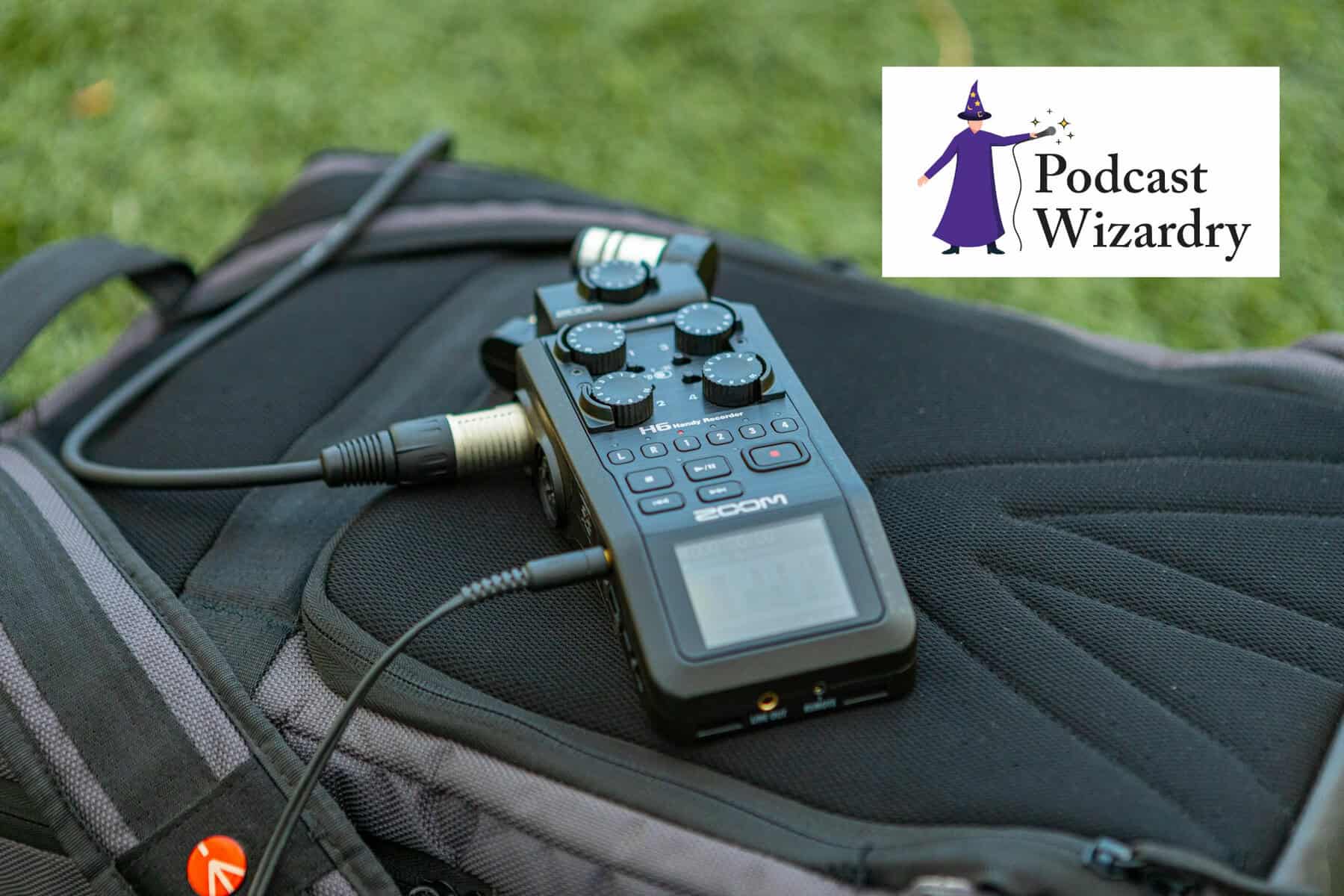
The heart of your field kit is a reliable portable recorder. These devices make it easy to capture professional-quality audio anywhere.
- Zoom H5studio 6-Track Recorder – Compact yet powerful, with interchangeable capsules and multiple inputs for different mics.
- Tascam DR-40X – A budget-friendly recorder with dual XLR inputs, built-in mics, and overdub capability.
- Zoom H2essential Multi-Mic Handy Recorder – I used one of these when I was getting started. I still use it from time to time for on-location interviews.
All options allow you to record interviews, soundscapes, and effects with excellent clarity.
Use the Right Microphone
While handheld recorders have built-in mics that are convenient for capturing audio in the field, an external microphone often improves sound quality and control.
- Rode VideoMic NTG – A shotgun microphone perfect for directional recording in busy outdoor spaces.
- Shure SM58 – A rugged dynamic mic that excels at capturing voice while rejecting background noise.
- Zoom SSH-6 Stereo Shotgun Mic Capsule – For use with the aforementioned Zoom recorder. This one is on my Christmas list.
Choosing the right mic depends on whether you want to isolate a subject or capture the full atmosphere of your location.
Capture Ambient Sound and Effects
Field recording isn’t just about interviews—it’s about atmosphere. Capturing environmental sounds like birdsong, traffic, or crowd chatter can transport your listeners directly into the story.
- Record a few minutes of “room tone” or natural ambiance wherever you are. This helps smooth edits later if you filter out ambient noise during parts of the recording.
- Collect unique sounds (doors creaking, footsteps, water splashing) to build your own personal effects library.
- For extra creativity, invest in a small stereo mic like the Zoom iQ7, designed for smartphones, which captures wide and immersive soundscapes.
Don’t Forget Wind Protection
Outdoor recording often comes with wind noise. A quality windscreen or “deadcat” is essential to keep your audio clear.
- Rode WS6 Deluxe Windshield – Excellent for shotgun mics.
- Movo Furry Windscreen Pack – Affordable windscreens for smaller handheld recorders.
Monitor and Backup Your Audio
Bring a good pair of closed-back headphones so you can hear exactly what you’re recording. Also, carry extra memory cards and batteries—nothing’s worse than running out of storage or power mid-interview.
- Audio-Technica ATH-M50X – A favorite among podcasters for their clear, reliable monitoring.
- Mackie MC Series – This is what I use when I’m out and about.
Edit with Sound Design in Mind
Once you’re back from the field, think creatively in post-production. Layer ambient sounds under interviews, punctuate moments with captured effects, and blend voice recordings with environmental texture to create an immersive listening experience.
Capturing Audio in the Field
Recording in the field adds depth, realism, and storytelling power to your podcast. With the right tools—portable recorders, versatile microphones, wind protection, and monitoring gear—you can capture not just words but entire environments. And by collecting sound effects along the way, you’ll build a unique library that keeps your episodes fresh and engaging.
Start small, experiment, and over time, your field recordings can become a defining feature of your podcast’s sound.
Contact The Podcast Wizard
Need a little more guidance? That’s what Podcast Wizardry is here for. Drop us a DM on our LinkedIn page. We’re happy to help you literally cut through the noise.
Disclosure: This post contains affiliate links. If you purchase through these links, I may earn a small commission at no extra cost to you. This helps keep Podcast Wizardry running and supports future content.